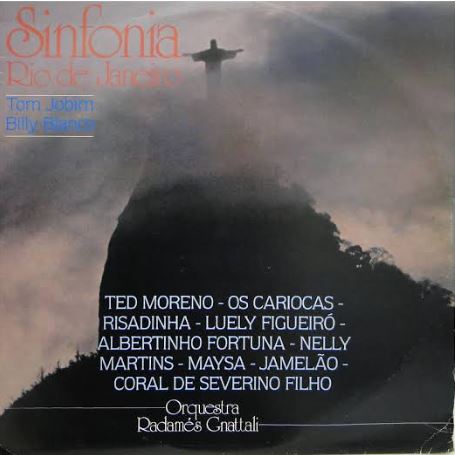
Sinfonia do Rio de Janeiro (1954)
This album functions as a work of historical transition, where the harmonic sophistication of Tom Jobim and the urban chronicles of Billy Blanco meet before the explosion of Bossa Nova.

Canção do Amor Demais (1958)
Produced by Tom Jobim, with lyrics by Vinícius, it is the first recording of João Gilberto playing his, until then, unreleased beat on the guitar.

Chega de Saudade (1959)
The seminal Bossa Nova album, in which we hear João Gilberto’s voice and guitar for the first time. I bought this record in 2024 in Fortaleza, Ceará.
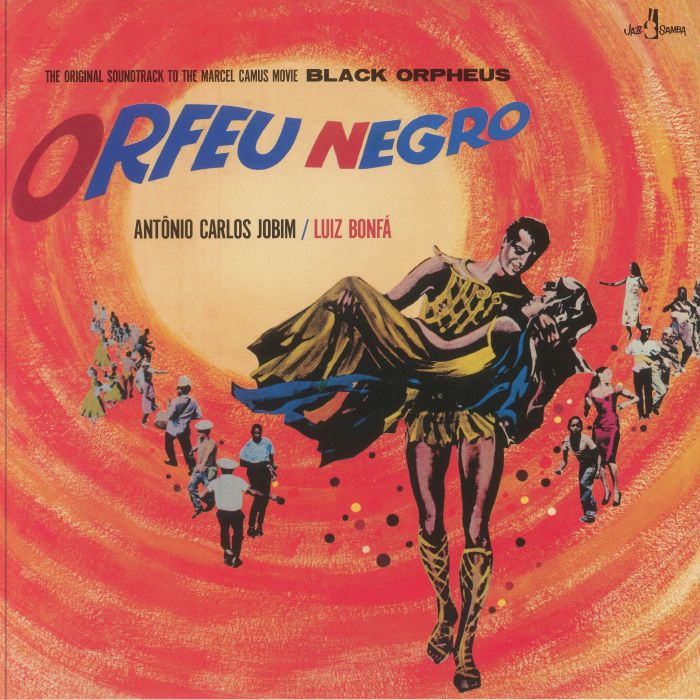
Orfeu Negro (1959)
Original soundtrack from the 1959 Academy Award-winning film for Best International Feature Film, Black Orpheus, composed by Tom, Vinicius and Bonfá.
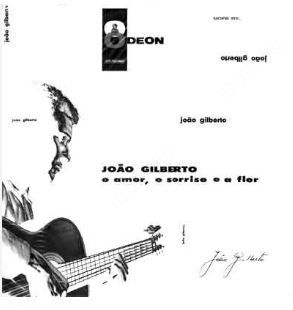
O amor, o sorriso e a flor (1960)
João’s second studio album. The syncopated guitar beat functions as a precise and continuous rhythmic marker, which perfectly complements Tom’s light wind arrangements.
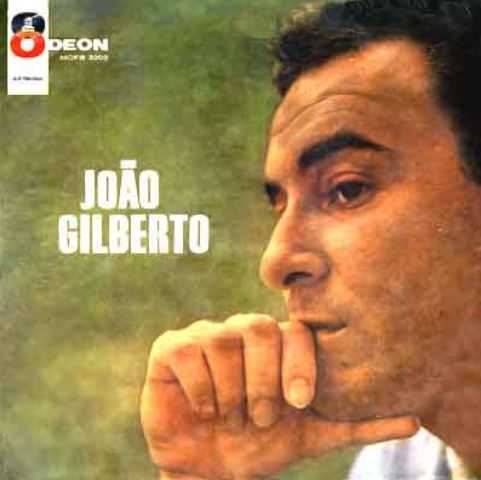
João Gilberto (1961)
This album concludes the fundamental Bossa Nova trilogy with a radical minimalism, where João’s voice and guitar become even more integrated and economical.
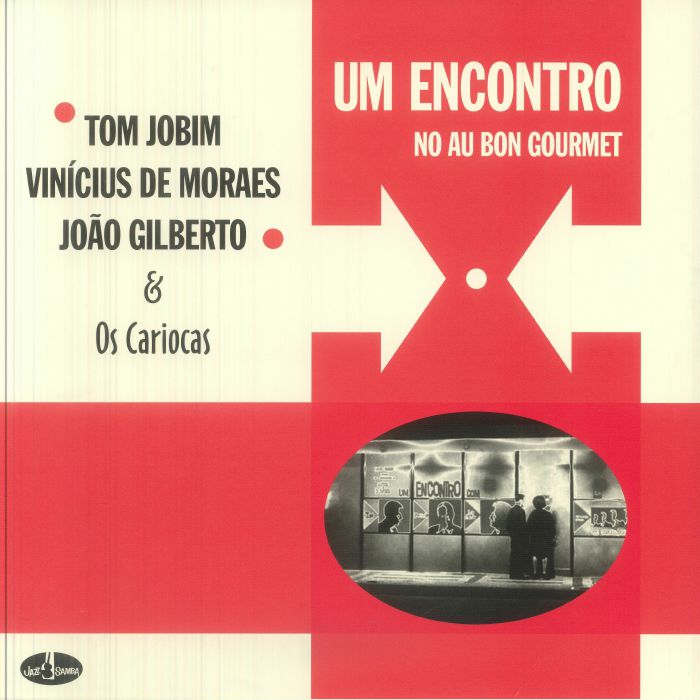
Um Encontro no Au Bon Gourmet (1962)
Amateur recording of the historic concert by Tom, Vinicius and João at the Au Bon Gourmet nightclub, where they sang “The Girl from Ipanema” for the first time.
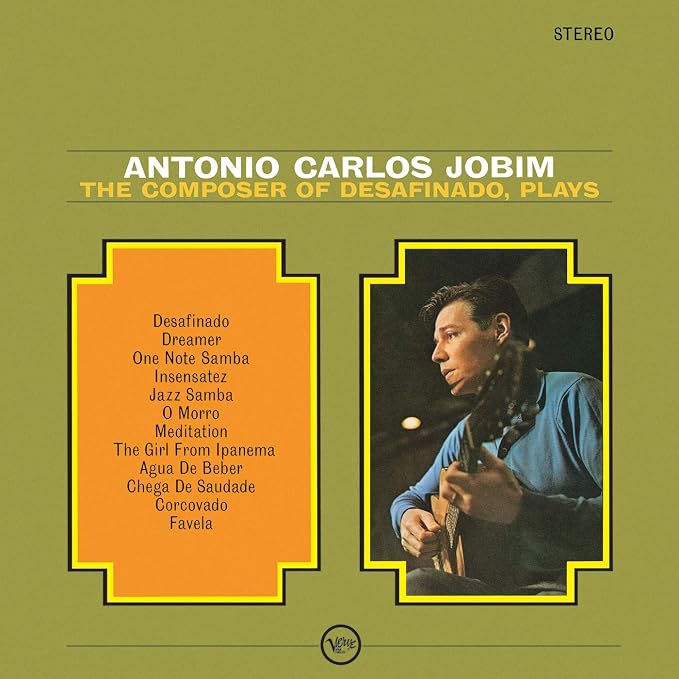
The Composer of Desafinado, Plays (1963)
Tom’s first American solo album, featuring definitive instrumental versions of acclaimed Bossa Nova songs.
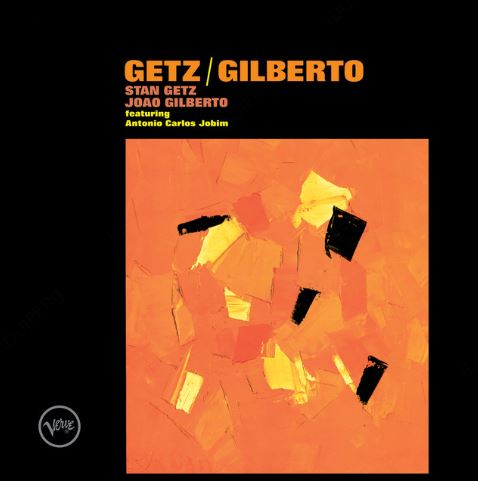
Getz/Gilberto (1964)
The world’s best-selling jazz album is also sung in brazilian portuguese.nnThis one is part of my personal collection since 2022.

A Bossa Nova de Roberto Menescal e Seu Conjunto (1964)
This album solidified the purely instrumental, sunny, and danceable aspect of the movement. The fan-fact is that I have it autographed by Menescal himself.
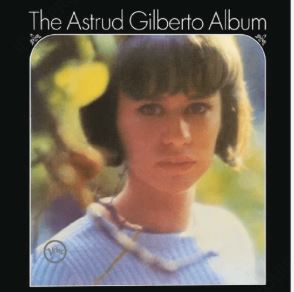
The Astrud Gilberto Album (1965)
This one consolidates the Bossa Nova aesthetic geared towards the foreign market, transforming unpretentious amateurism into a refined stylistic mark. Driven by Astrud’s whispered, linear, and deliberately vibrato-free singing, the album gains technical substance from the precise balance between Tom Jobim’s subtle guitar and the jazz arrangements.
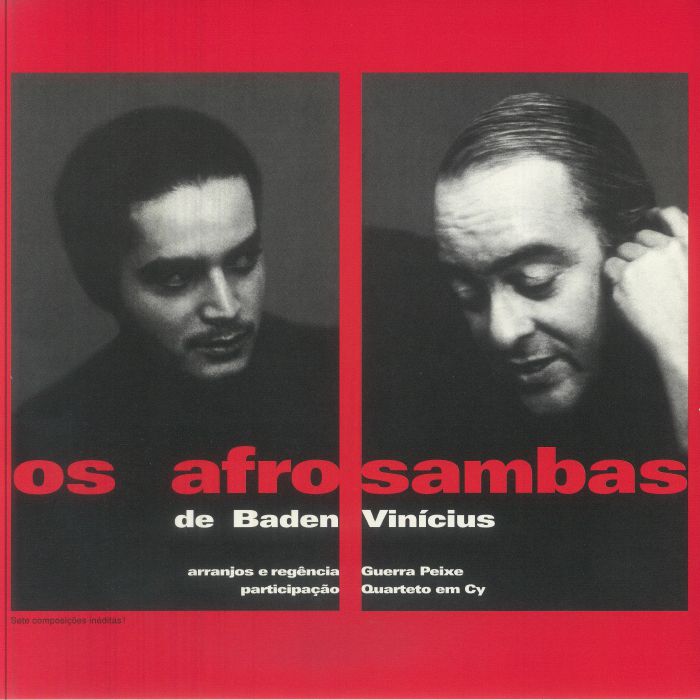
Os afro-sambas (1966)
It was the first collaboration between Vinicius and Baden Powell. The history says that them locked themselfs in Vina’s apartment and drunk bottles of whiskey to compose that.
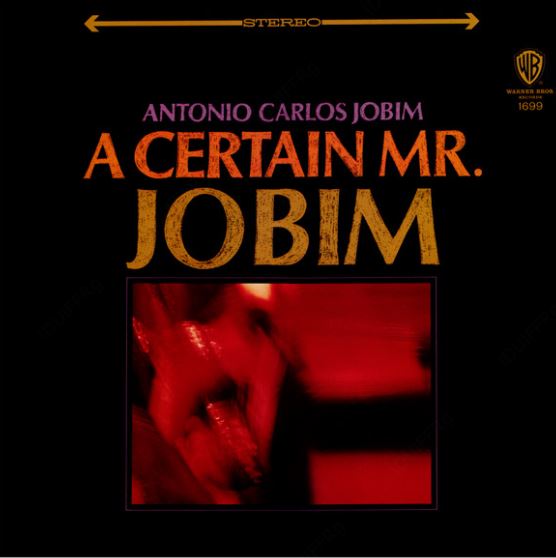
A Certain Mr. Jobim (1967)
I really like this one. The album stands out for the sophistication of Claus Ogerman’s arrangements and the intimate atmosphere recorded in an old church in New York.
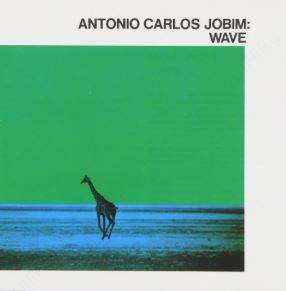
Wave (1967)
Wave opens Tom’s “triad of American albums” and establishes the definitive aesthetic of instrumental bossa nova for export, characterized by absolute lyrical minimalism and sunny timbres. Technically, the album works through the surgical counterpoint between Tom Jobim’s economical piano and guitar lines and Claus Ogerman’s orchestral frameworks.
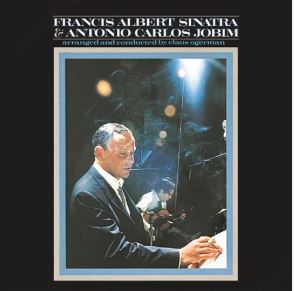
Francis Albert Sinatra & Antonio Carlos Jobim (1967)
The first album Sinatra recorded with a Latin musician. Rumor has it that Sinatra called Bar Veloso in Ipanema directly, where Tom was drinking with Vinicius and other friends. The waiter answered the phone and nobody had any idea who was calling.
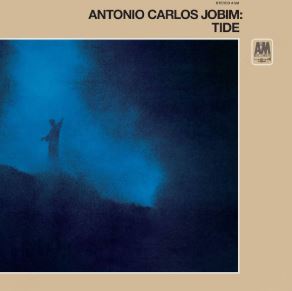
Tide (1970)
Tide deepens the harmonic complexity of the trilogy by introducing denser wind arrangements and slightly heavier rhythmic textures.
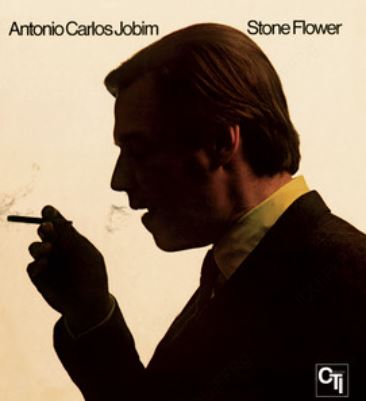
Stone Flower (1970)
This album is heavily influenced by the geography and folklore of the brazilian interior. Under Eumir Deodato’s avant-garde arrangement, Tom introduces the Fender Rhodes electric piano with a percussive and somber touch. A curious aspect of this album is that it alludes to “chá de quebra-pedras” (stone-breaker tea), a traditional Brazilian drink, which was translated into English as “Stone Flower”.
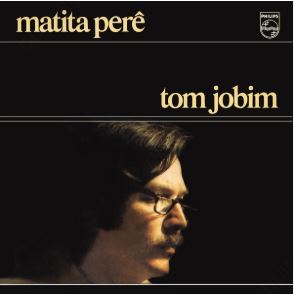
Matita Perê (1973)
According to Tom himself, this is “the best thing he has ever created in his life.” This album represents Tom’s definitive transition from bossa nova to universal music, consolidating a profoundly ecological, chamber-like aesthetic linked to the folklore and literature of the brazilian interior.
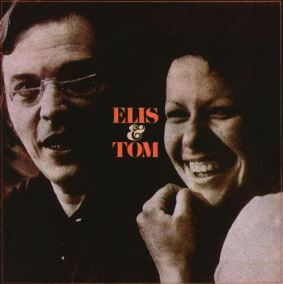
Elis & Tom (1974)
A complex album, in every sense. This is the absolute pinnacle of the fusion between vocal technique and instrumental sophistication in Brazilian music, uniting Elis Regina’s interpretive precision with Tom Jobim’s harmonic engineering. On the other hand, it was also a recording marked by intense disagreements between Elis and Tom.
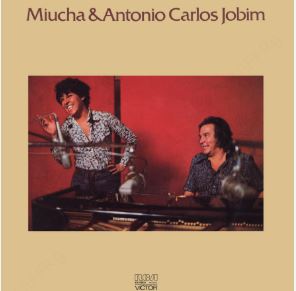
Miucha & Antonio Carlos Jobim (1977)
An album that returns to an intimate, heartfelt, and distinctly chamber-influenced bossa nova, serving as an acoustic and relaxed counterpoint to Tom’s highly electric projects of that decade.
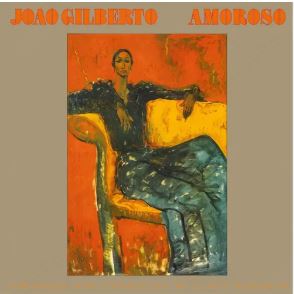
Amoroso (1977)
This one marks João Gilberto’s triumphant and definitive return to American studios, refining his aesthetic revolution through a lavish production that became one of the greatest references in sound engineering in world music.
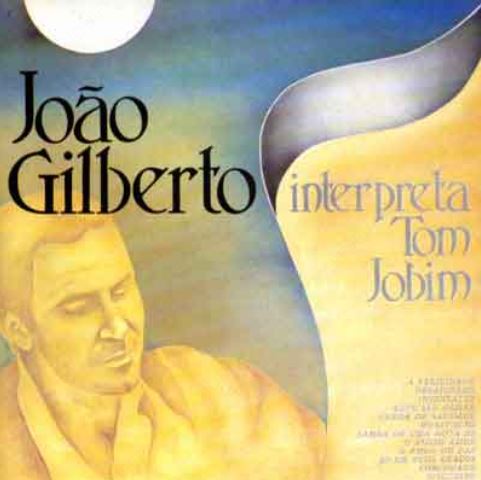
João Gilberto Interpreta Tom Jobim (1978)
This one serves as a masterclass in harmonic distillation and aesthetic minimalism, where João Gilberto isolates the essence of his historical partner’s compositions.
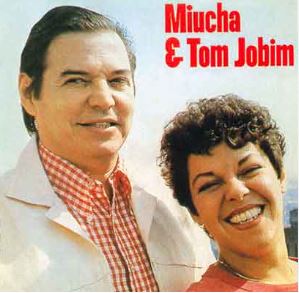
Miucha & Tom Jobim (1979)
“Volume Two” delves deeper into the playful, bohemian, and chronicle-like atmosphere of the duo, balancing harmonious elegance with the revival of classics from the brazilian popular songbook.
Sinatra-Jobim Sessions (1979)
In 1969, Sinatra ordered the recall and destruction of the already pressed Sinatra-Jobim album due to dissatisfaction with his own vocal performance and fear of commercial failure. The record company destroyed almost all copies, making the rare surviving tapes one of the greatest and most expensive collector’s items in music history. In 1970, the record label finally released the material officially on the double compilation Sinatra-Jobim Sessions.
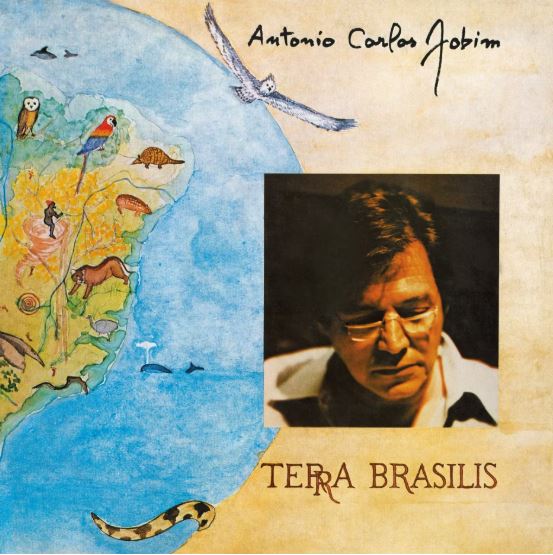
Terra Brasilis (1980)
Terra Brasilis represents the most ambitious and grand symphonic retrospective of Tom Jobim’s work, honoring Brazil and serving as a celebration of his career under the lavish production of Creed Taylor for Warner Bros. Records.
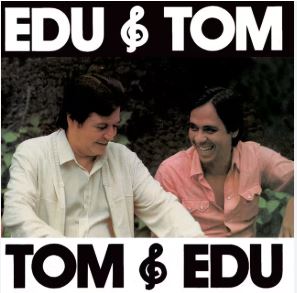
Edu & Tom (1981)
In this album, Tom joins forces with the young composer Edu Lobo. The album perfectly blends Edu’s characteristic melancholic lyricism and angular melodies with Tom’s architectural clarity and economical piano playing.
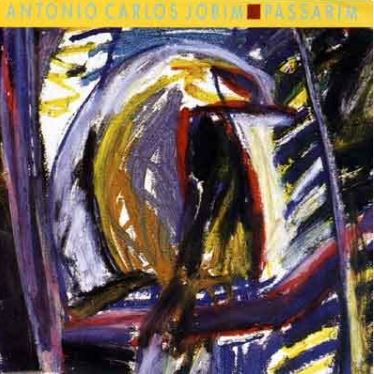
Passarim (1987)
My favorite album in the collection. This represents the consecration of Tom Jobim’s ecological and choral maturity, consolidating the sound of his last great studio and stage formation, the Nova Banda (and I have this cover tattooed on my arm haha).
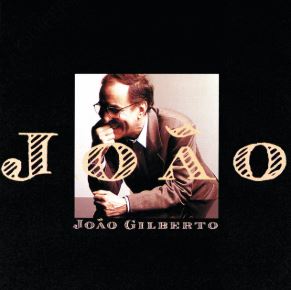
João (1991)
This album departs from isolated guitar and voice to experiment with a sumptuous American orchestral setting, under the precise direction and arrangements of maestro Clare Fischer. Furthermore, João reinterprets gems of Brazilian music, such as “Sampa” by Caetano Veloso and “Palpite Infeliz” by Noel Rosa.
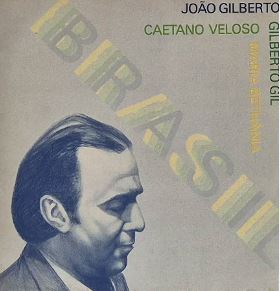
Brasil (1993)
This album serves as the definitive meeting of generations in Brazilian popular music, uniting the creator of bossa nova, João Gilberto, with his greatest heirs from the Tropicália movement: Caetano Veloso and Gilberto Gil (in addition to a special appearance by Maria Bethânia).
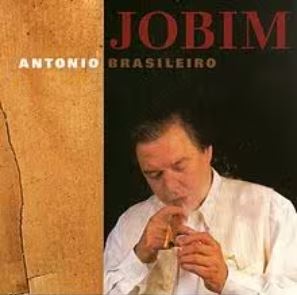
Antonio Brasileiro (1994)
This is not just an album: it is the lyrical testament, the ultimate love letter, and the poignant farewell of the greatest architect of our music to the land he so subtly refined. Released just three days before Tom Jobim’s passing, the album overflows with a painful and transcendental beauty, as if the maestro knew he was creating his last great sonic watercolor.